
Shisha Blog
The History of Hookah: From Ancient Water Pipe to Modern Social Ritual
Learn where hookah comes from, why it has so many names, how it works, and how it became a social ritual around the world.
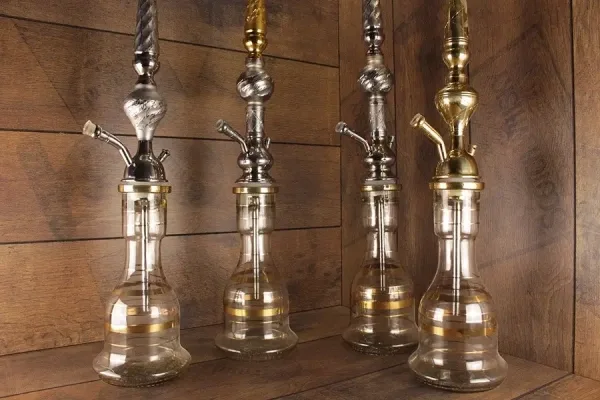
A hookah is more than just a water pipe. For many people, it is a social ritual: packing the bowl, heating the charcoal, passing the hose, talking with friends, and slowing down for a session.
Today, hookah is known all over the world. In the United States, most people say hookah. In Europe, many call it shisha. In Turkey and parts of the Middle East, you may hear nargile or narghile. In other regions, names like water pipe, argileh, goza, or qalyan are also used.
The names change from country to country, but the basic idea stays the same: tobacco is heated in a bowl, the smoke travels through the stem and downstem into a water-filled base, and the smoker inhales through a hose.
What Is a Hookah?
A hookah is a water pipe used to smoke specially prepared hookah tobacco, often called shisha tobacco. This tobacco is usually moist, flavored, and mixed with ingredients like molasses or glycerin to create a smooth, aromatic session.
Modern hookah tobacco comes in countless flavors: apple, mint, grape, watermelon, blueberry, lemon, vanilla, coffee, citrus blends, creamy flavors, and many more. Traditional hookah tobacco can also be stronger, darker, and less sweet, depending on the region and style.
Although hookah is often connected with Middle Eastern and North African culture, its history is much broader. It developed over centuries across different regions, languages, materials, and traditions.
Where Did Hookah Come From?
The exact origin of hookah is still debated. There is no single story that everyone agrees on. Many historical explanations point toward India and Persia, with the water pipe later spreading through the Ottoman Empire, Egypt, North Africa, and the wider Middle East.
One common version says that early hookahs were simple devices made from natural materials, such as a coconut shell as the base and bamboo as the tube or hose. The basic concept was already there: smoke would pass through water before being inhaled.
Over time, the design became more refined. The hookah moved from simple handmade pipes to decorative water pipes made from glass, metal, wood, and later stainless steel, aluminum, silicone, and modern materials.
Instead of treating hookah as an invention from one single country, it makes more sense to see it as a cultural object that traveled. Every region shaped it in its own way. That is why hookah has so many names, styles, and traditions today.
Hookah and Social Culture
Hookah became popular not only because of the smoke, but because of the moment around it. In many cultures, a hookah session was connected with hospitality, conversation, tea, coffee, and time spent together.
In cafés, homes, and lounges, hookah often became the center of the table. People would sit together, share stories, drink tea, eat sweets, and enjoy the session slowly. It was never only about nicotine or flavor. It was also about atmosphere.
That social side is still one of the biggest reasons hookah remains popular today. A hookah session usually takes time. You prepare the setup, manage the heat, adjust the draw, try different flavors, and enjoy the session with other people.
In a world that often feels fast, loud, and rushed, hookah has kept this slower rhythm. For many smokers, it represents relaxation, conversation, and a shared experience.
Why Does Hookah Have So Many Names?
One of the most interesting things about hookah is the number of names used around the world.
In the United States, hookah is the most common word for the entire water pipe. Shisha is often used for the flavored tobacco, although some people also use shisha to mean the pipe itself. In Germany and many parts of Europe, shisha usually means the whole setup. In Turkey, nargile is common. In Arabic-speaking regions, words like argileh or shisha may be used depending on the country.
These names reflect the way hookah traveled across cultures. As the water pipe spread, every language adapted the name to its own sound and tradition.
For a modern English article, hookah is usually the safest main term. Shisha tobacco works well when talking about the tobacco itself. Nargile, narghile, argileh, and water pipe are useful when explaining history, culture, or regional names.
How a Hookah Works
A hookah looks complex at first, but the basic structure is pretty simple.
At the top sits the bowl. This is where the hookah tobacco is packed. Above the bowl, charcoal is placed either on foil or on a heat management device. The charcoal heats the tobacco instead of directly burning it like a cigarette.
Below the bowl is the stem. The stem connects the top of the hookah with the base. The lower part of the stem, called the downstem, reaches into the water inside the base.
When you inhale through the hose, air is pulled over the charcoal and through the heated tobacco. The smoke travels down through the stem and downstem, bubbles through the water in the base, and then moves through the hose to the mouthpiece.
The hookah base, sometimes also called the vase, holds the water. The hose connects to the hose port. Many hookahs also have a purge valve, which lets you blow stale or harsh smoke out of the base during a session.
That bubbling sound is one of the most recognizable parts of hookah. The water cools the smoke and changes the feel of the draw, but it does not make hookah smoke harmless.
The Main Parts of a Hookah
A typical modern hookah setup includes a bowl, stem, downstem, tray, base, hose, mouthpiece, hose port, and purge valve.
The bowl holds the tobacco. The tray catches ash and gives you a place to rest charcoal. The stem connects the entire hookah together. The downstem goes into the water. The base holds the water. The hose is used to draw the smoke. The mouthpiece is the part you smoke from. The purge valve helps clear old smoke from the base.
Small details can change the whole session. The size of the bowl, the water level in the base, the type of charcoal, the airflow of the stem, the restriction of the hose, and the way the tobacco is packed all affect the final experience.
From Traditional Water Pipe to Modern Hookah
The hookah has changed a lot over time. Traditional designs were often handmade, decorative, and strongly connected to local culture. Many older hookahs used brass, copper, glass, wood, or handcrafted metalwork.
Modern hookahs can be very different. Today, you will find stainless steel hookahs, compact travel hookahs, luxury lounge setups, minimalist designs, magnetic hose connectors, adjustable diffusers, special purge systems, and custom bases.
The accessories have changed too. Instead of only using foil, many smokers now use heat management devices. Instead of traditional hoses, many setups use washable silicone hoses. Instead of one basic bowl style, there are phunnel bowls, Egyptian-style bowls, Turkish bowls, killer bowls, and many other options.
The tobacco scene has also evolved. Modern hookah culture is heavily built around flavor. Smokers compare brands, mix flavors, review blends, test heat tolerance, and build personal setups for different types of sessions.
Hookah in the United States and Europe
In the United States and Europe, hookah became especially popular through lounges, college towns, immigrant communities, online shops, social media, and modern hookah brands.
For many younger smokers, hookah is not only a traditional object. It is also a lifestyle product. People care about the design of the pipe, the flavor profile of the tobacco, the smoothness of the draw, the cloud output, the heat management, and the overall look of the setup.
This is why hookah culture today feels like a mix of tradition and modern hobby culture. There is still the old social ritual, but there is also a technical side: packing methods, airflow, heat control, base water level, bowl types, charcoal quality, and flavor mixing.
Is Hookah Safer Because the Smoke Passes Through Water?
No. This is one of the biggest myths around hookah.
The water in the base can cool the smoke and make the draw feel smoother, but it does not make hookah smoke safe. Hookah tobacco is still heated with charcoal, and the smoke can still contain harmful chemicals.
A smoother draw can sometimes make people think hookah is less intense than cigarettes, but smoother does not mean harmless. Hookah should always be understood as a tobacco product, not as a safe alternative.
Why Hookah Still Matters Today
Hookah has lasted for centuries because it is more than a device. It is a mix of design, tradition, flavor, technique, and social ritual.
For some people, it is about culture. For others, it is about relaxation. For some, it is a hobby built around setups, bowls, tobacco brands, and flavor mixes. For lounges, it is an atmosphere. For communities, it is something people share.
The modern hookah may look very different from the early water pipes made from simple materials, but the core idea is still recognizable: a bowl, tobacco, charcoal, water, a hose, and time spent together.
That is what makes hookah interesting. It has traveled across countries, changed names, adapted to new materials, and become part of many different cultures. But at its heart, it is still about the session.
About the author

HookahFloW
Founder of SmokeDex
Florian has been involved in the hookah scene for over 15 years. With SmokeDex, his goal is to build the most useful hookah platform in the world - a place where fans can discover, compare and buy products, read reviews, find shops and cafés, and explore hookah culture worldwide.